

Last updated:
AI for sales prospecting is finally leveling the playing field. For the longest time, having a truly effective way to find new business customers felt like an expensive, exclusive perk only the biggest companies could afford.
This left Small and Midsize Businesses (SMBs) struggling, stuck in a costly, manual loop. Think about it: your sales team wastes up to 70% of their day just on administrative tasks like digging for emails or typing in notes. Worse, the contacts they do find are often bad—only about 35% of sales pros actually trust their own company’s data.
The AI Prospecting Fix: Solving the Three Real Time-Sinks for Small Teams
Let’s skip the generic complaints and focus on the three painful tasks that constantly drain the resources of small sales teams—the tasks that AI is now completely eliminating.
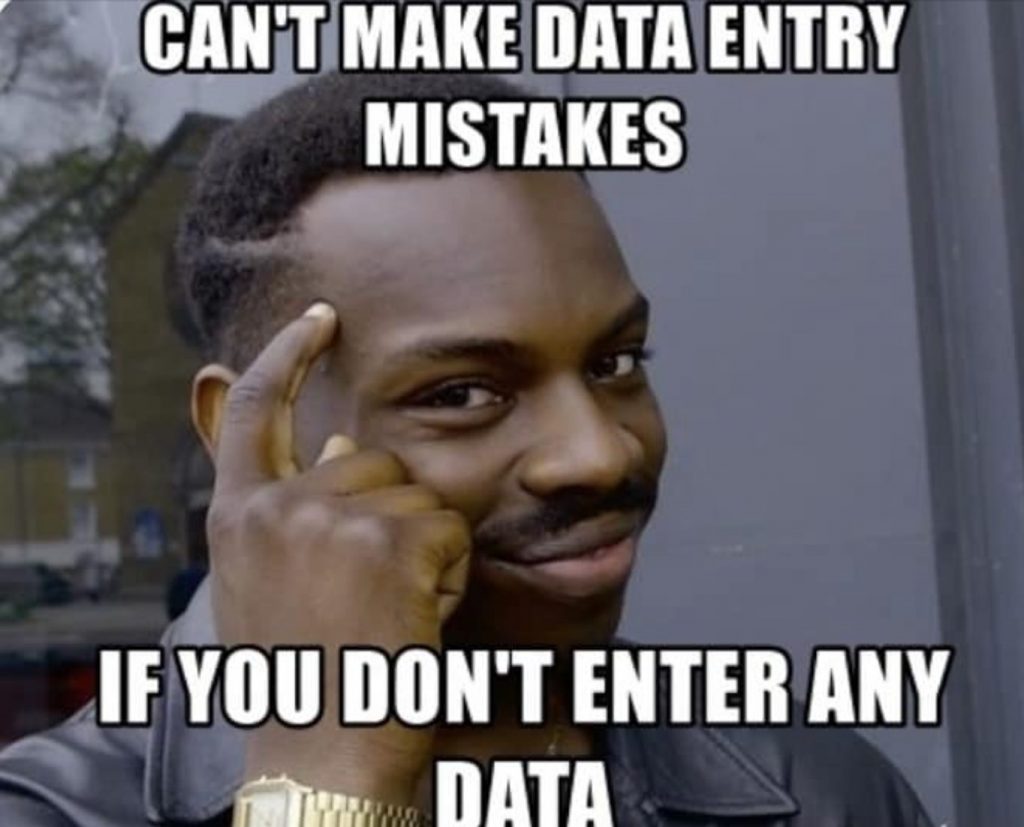
1. The Death of Manual Data Entry
This is the single biggest drain.
If your sales reps are spending most of their week logging activities, correcting typos, and cross-referencing contact sources, they aren’t selling.
This administrative tax is what costs you growth.
AI for sales prospecting removes this burden entirely by automatically synchronizing data and filling in missing contact, company, and activity details as the work happens. You no longer pay a highly-skilled person to be a data clerk.
2. The End of “Guesswork” Qualification
For an SMB, chasing a low-quality lead is a catastrophe—it can easily consume one to two weeks of follow-ups, research, and internal coordination before you realize the deal was never viable.
The old manual approach to qualification—checking LinkedIn, guessing at company size, and scoring leads based on basic website visits—is slow and subjective. AI replaces this guesswork with predictive, objective scoring. It tells you, with high confidence, which leads are genuinely worth the team’s limited time.
3. Transitioning from “Outdated” to “Real-Time” Data
The second your team starts prospecting with a two-month-old list, they are already behind.
Data decays rapidly—people change jobs, roles shift, and companies merge.
AI prospecting solves this not by giving you a bigger list, but by providing a live, verified intelligence layer that continuously updates and scrubs contacts in the background. It ensures your team’s hard-won relationships are tied to accurate, current records, reducing bounces and wasted outreach instantly.

The AI Prospecting Shift: Three Intelligent Capabilities You Must Use
Intelligent tools are no longer just “nice-to-haves.”
For 2026, they represent three core shifts that small businesses must adopt to compete on an equal footing with competitors.
1. Deep Context: Automated Account Enrichment for AI Prospecting
This goes way beyond finding an email address.
Free Guide
The ABCs of CRM
A Beginner's Guide to Understanding &
Using a CRM
Download Free
You’re All Set!
DownloadGet the most out of this guide by starting your free 14-day trial of Nimble today.
The new intelligence tools automatically stitch together comprehensive profiles, delivering deep context and actionable company intelligence.
This includes prospect’s public activity and company news to craft a highly relevant draft of the initial outreach message, relevant news mentions (e.g., “They just hired a new CTO”), and verifiable firmographics (size, revenue).
This ensures every outreach email starts with a true, verifiable insight, not a canned greeting.
2. Timely Precision: Intent and Trigger-Based Actioning with Sales AI
The biggest trend for 2026 is moving from just who to call to when to call.
Intelligent systems use intent data (signals that a company is actively researching a solution like yours) and trigger events (a relevant new hire, a new funding round) to provide “next-best-action” recommendations. For a small team, this is critical: you only reach out when the prospect is already deep in the buying journey, making your effort 10x more effective.
3. Scalable Relevancy: Hyper-Personalization at the Speed of AI
Personalization used to be a trade-off: high quality for low volume. AI eliminates that trade-off. By synthesizing all the deep context and real-time triggers, the system suggests tailored, unique outreach content based on the prospect’s recent actions or public posts.
Your team keeps the quality of a custom-written message but can execute it at a massive scale. This scalable relevancy is how small teams match—or beat—the engagement rates of enterprise competitors.

The SMB Framework: Putting AI into Your Daily Sales Flow
Adopting intelligent prospecting doesn’t require complex training; it requires a simple, repeatable framework that focuses on replacing your most manual tasks with automation.
Step 1: Define the Smart ICP (Ideal Customer Profile)
Start by defining the exact attributes of your perfect customer. This “Smart ICP” is the core instruction set for your AI tools. It moves beyond demographics (industry, size) to include data-driven attributes—what technologies they use, what key challenges they are vocalizing online, and which trigger events make them the most ready to buy. This gives the AI the target coordinates.
Step 2: Automation Takes the Discovery & Enrichment Burden
This is where the magic happens, and all that manual work vanishes. Your defined Smart ICP is fed into your sales platform. The intelligence layer instantly begins to scan the market for matches. It automatically discovers new contacts, validates old contacts, and enriches every record with technographics and real-time insights. The output is a clean, reliable, high-propensity lead list, updated continuously without human intervention.
Step 3: Optimize Outreach with Recommended Actions
The final step is leveraging the data for precise, efficient engagement. Instead of generating a generic template, the intelligent system provides an actionable next step and a personalized message draft. If the AI identifies a recent company funding announcement or a strategic hire on LinkedIn, the system doesn’t rely on the rep manually noticing it. It automatically drafts the opening email, referencing that exact public development, ensuring your outreach is always relevant, immediate, and high-impact.
The Nimble Advantage: Unifying the AI Workflow
The shift to intelligent prospecting, specifically AI for sales prospecting, will only succeed for SMBs if the technology is simple, integrated, and accessible. The primary hazard today is fragmentation—buying five different tools for data, CRM, email, scoring, and sequencing, which creates complexity and data silos. This complexity is the death of efficiency for a small team.
The future for small businesses is the unified platform. The general concept of the unified platform is where sales, marketing, and the core intelligent prospecting features all live together in one environment. This ensures data enrichment is not a bolt-on feature, but an invisible layer that powers every sales activity seamlessly. By eliminating complexity, AI adoption becomes realistic and immediate for every team, regardless of size.
Technology should accelerate growth, not become an expensive internal project.
We know that fragmented systems kill efficiency. That’s why Nimble is deeply focused on delivering a new generation of intelligent prospecting features by early 2026.

These features are designed to fundamentally unify your workflow and solve the persistent data challenges created by juggling multiple tools. By seamlessly integrating verified contact data and hyper-relevant insights directly into your relationship management platform, we are giving small businesses the capabilities needed to compete head-to-head with much larger competitors. Our commitment is to simplicity and genuine integration, making sophisticated AI immediately actionable.
Frequently Asked Questions About Sales AI
A: AI immediately eliminates the biggest time sinks: manual data entry, subjective lead qualification, and prospecting with outdated contacts. This allows small teams to focus significantly more time on high-value selling activities.
A: The biggest mistake is fragmentation—buying separate tools for data, CRM, email, and scoring. This creates complexity and data silos, destroying the efficiency AI is supposed to provide. The solution is a unified platform.
A: The shift is from just identifying who to call to determining when to call. This uses intent data and trigger-based actioning to ensure you only reach out when the prospect is already deep in the buying journey.
About the Author: Michaela Underdahl
Marketing Lead | B2B Workflow Strategist | Digital Efficiency
Michaela Underdahl is the Marketing Lead at Nimble, with deep experience in product marketing, digital strategy, and business development.
Drawing on her background, Michaela is focused on helping small and midsize businesses (SMBs) succeed by translating complex digital tools and new sales technologies—like AI for sales prospecting—into efficient, actionable workflows. Her expertise ensures that all Nimble content provides clear, authoritative guidance on topics ranging from effective lead generation and relationship cultivation to strategic sales planning.
Michaela’s Core Expertise:
- Workflow Efficiency: Providing practical guidance on making sales technology work together to maximize time-to-value.
- Strategic Analysis: Analyzing digital trends and technology shifts (like AI) to inform effective growth strategies.
- Expert Topics: B2B Prospecting Strategy, Digital Marketing Workflows, and Content Management.
You can follow her professional insights and connect with her on LinkedIn.