


Last updated:
Managing a physical therapy (PT) practice isn’t just about providing top-notch care — it’s also about running an efficient, well-organized business. From scheduling appointments to tracking patient progress, the right practice management software and CRM (Customer Relationship Management) system can make all the difference.
Whether you’re a solo physical therapist, a PTA, or running a busy clinic, these tools streamline your workflow, keep communication clear, and improve both patient satisfaction and operational performance.
Below are 10 actionable tips to help you make the most of your practice management software and CRM in physical therapy.
1. Begin Tracking Patients Immediately
The moment a patient enters your clinic — whether as a walk-in, referral, or online lead — they should be added to your CRM or practice management software.
- Why it matters: Early and accurate record-keeping ensures all information is accessible for colleagues, insurance purposes, and legal requirements.
- How to do it: Use customizable fields to capture essential data like contact details, treatment history, and progress notes. Tag important information so it’s easy to retrieve later.
- Pro tip: Set up pipelines for different stages of treatment so you can quickly see where each patient stands in their journey.
2. Segment Patients Granularly
In physical therapy, not all patients have the same needs. Segmenting allows you to tailor care and marketing.
- Examples of segmentation: By condition (sports injury, post-surgery recovery, chronic pain), by payment type (insurance or cash), or by progress stage.
- Why it’s useful: Segmentation helps you create targeted follow-ups, build more effective treatment plans, and run precise reports.
- Pro tip: Tag contacts and tasks with relevant categories to make reporting and analysis faster.
3. Streamline Communication with Patients and Your Team
One of the most powerful benefits of CRM is centralized communication.
Free Guide
The ABCs of CRM
A Beginner's Guide to Understanding &
Using a CRM
Download Free
You’re All Set!
DownloadGet the most out of this guide by starting your free 14-day trial of Nimble today.
- What it does: Gathers patient conversations from emails, calls, social media, and messaging apps into one profile.
- Why it matters: No more searching through multiple apps to find that one critical message.
- Pro tip: Integrate your CRM with platforms like Office 365 or Google Workspace to sync calendars, emails, and reminders in real time.
4. Prioritize Set-Up Time and Ease of Use
A CRM should make your life easier, not harder.
- What to look for: An intuitive interface, simple navigation, and minimal learning curve.
- Why it’s important: The faster your team adapts, the sooner you’ll see productivity gains.
- Pro tip: Take advantage of vendor training resources such as webinars or tutorials to get everyone comfortable with the system quickly.
5. Choose a Vendor with Reliable Support
Even the best-designed systems can face issues. Vendor support ensures you can resolve problems without downtime.
- What to check: Availability of live chat, phone support, and email assistance.
- Why it matters: Timely help means less disruption to patient care and clinic operations.
- Pro tip: Test the support before committing by asking a few technical questions during your trial period.
6. Leverage the Mobile App for On-the-Go Access
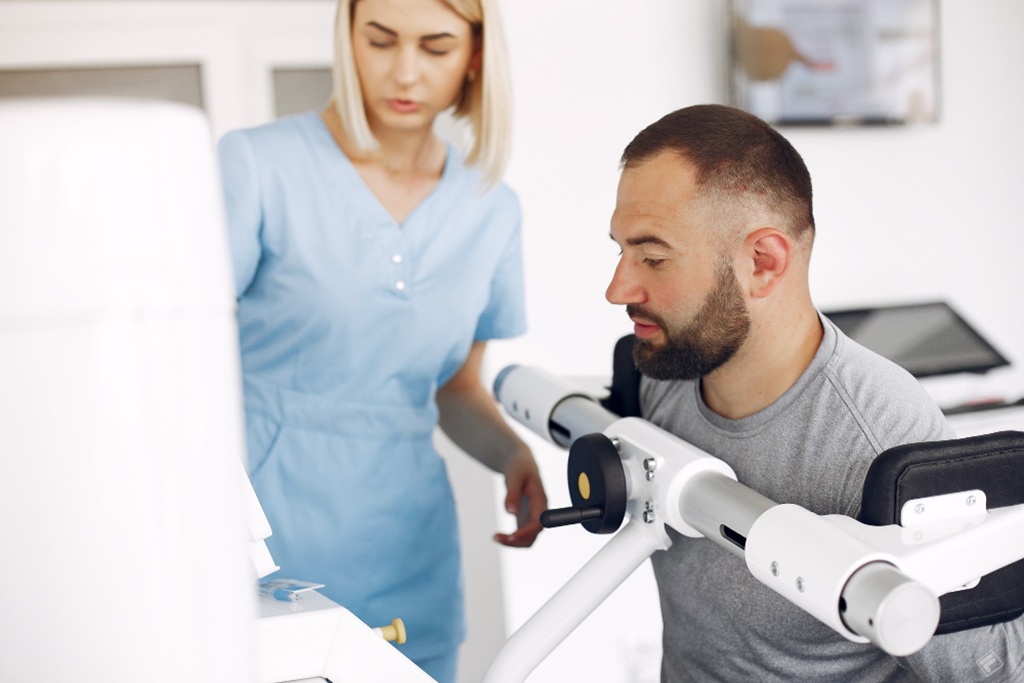
Physical therapists and PTAs often work outside the clinic, especially with home-care patients.
- Why it’s useful: Mobile access lets you update notes, check schedules, and communicate with your team in real time, no matter where you are.
- Pro tip: Choose a CRM or practice management software with a well-rated mobile app that mirrors the functionality of the desktop version.
7. Create Compliant Patient Documentation
Accurate documentation is critical for:
- Monitoring treatment progress.
- Meeting insurance requirements.
- Providing legal protection if needed.
- How software helps: Templates, structured forms, and integrated progress notes make documentation faster and more consistent.
- Pro tip: Attach exercise libraries or treatment protocols directly to patient records so all relevant materials are in one place.
8. Track Referrals, Productivity, and No-Shows
Data tracking helps improve efficiency and patient care quality.
- Metrics to watch: Appointment cancellations, no-show rates, visit frequency, therapist productivity, and referral sources.
- Why it matters: Identifying patterns helps you adjust schedules, improve marketing, and optimize resources.
- Pro tip: Use tagging and reporting features to quickly pull performance data for monthly reviews.

9. Automate Repetitive Tasks to Save Time
From sending appointment reminders to generating progress notes, automation frees you to focus on patient care.
- Examples:
- Pre-programmed email and SMS reminders.
- Auto-generated invoices.
- Templated documentation for common conditions.
- Pro tip: Link automation to treatment stages so patients receive timely updates or follow-ups without manual effort.
10. Foster Collaboration Between PTs and PTAs
In many cases, successful treatment depends on close teamwork.
- How CRM supports collaboration: Shared access to patient profiles, integrated messaging, and task assignment features keep everyone aligned.
- Why it matters: Seamless collaboration reduces errors, improves patient outcomes, and boosts staff satisfaction.
- Pro tip: Establish a communication protocol within the CRM so updates are logged consistently.
Choosing the Right Software for Your Physical Therapy Practice
Not all CRMs or practice management systems are designed the same. Here’s a quick decision process:
- List your must-have features (e.g., scheduling, documentation templates, billing integration).
- Set a realistic budget.
- Shortlist 3–4 options that meet your needs.
- Test each one during a trial period, involving your team in the evaluation.
Popular options for physical therapy include WebPT, DoctorConnect, and CureMD, while flexible CRMs like Nimble can be customized for PT clinics.
Final Thoughts
Using practice management software and CRM in physical therapy isn’t just about digitizing paperwork — it’s about creating a smoother, more connected experience for both patients and staff.
By applying these 10 tips, you can:
- Improve patient communication and satisfaction.
- Streamline administrative work.
- Enhance collaboration between therapists.
- Make better business decisions based on accurate data.
The result? More time for what truly matters — helping your patients recover and thrive.